

Insights
Beyond Compliance: Understanding the True Condition of Your Assets
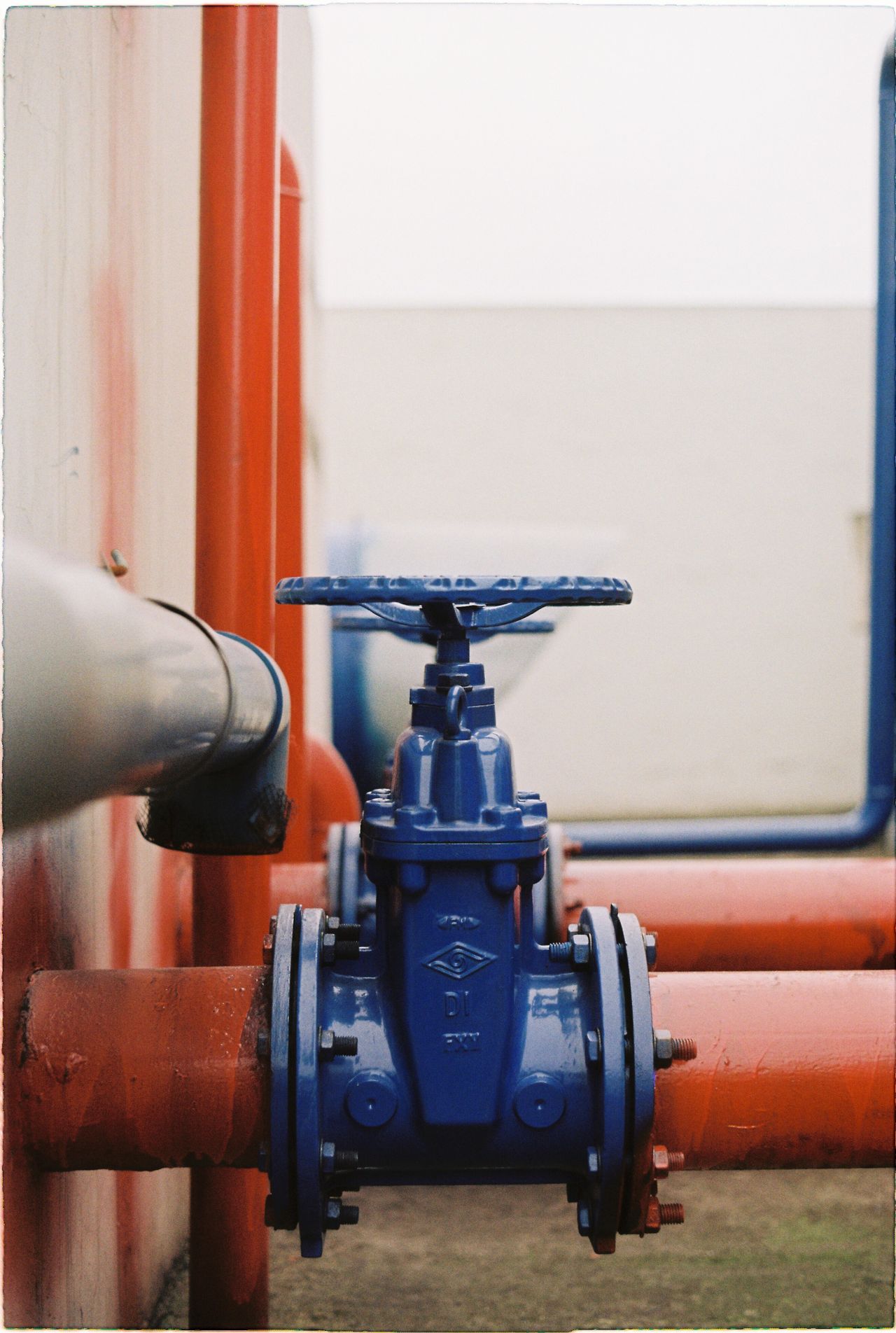
Compliance is an essential part of managing pressure equipment and piping.
But compliance and asset condition are not necessarily the same thing.
A statutory assessment is primarily concerned with demonstrating that equipment meets the applicable requirements for safe continued operation.
A broader Mechanical Integrity assessment asks additional questions.
What condition is the equipment actually in? What damage mechanisms are active or credible? How quickly is it deteriorating? And how long can we reasonably expect it to remain in service?
Those questions matter because inspection has the potential to provide far more than evidence of compliance.
Used effectively, inspection data can provide an understanding of current asset condition, identify developing degradation, establish corrosion rates, estimate remaining life and support decisions around future inspection, maintenance, repair and replacement.
For piping systems, that may mean moving beyond individual inspection points to understand degradation across the wider circuit — considering service, materials, credible damage mechanisms, historical thickness data and minimum required thickness.
For pressure vessels, it may mean combining inspection findings with design information, operating history and expected damage mechanisms to understand not only whether the vessel is currently acceptable, but how it is performing and what its future integrity looks like.
Compliance remains the baseline. The wider value of Mechanical Integrity comes from using engineering and inspection data to understand condition, manage degradation and make better decisions about the future of the asset.